
Noções básicas de puzzles de ordenar que servem em vários jogos
Publicado
A maioria dos puzzles de ordenar recompensa pensar um ou dois movimentos à frente em vez de tocar no acaso. Isso não quer dizer que você precise resolver o tabuleiro inteiro na cabeça. Basta que cada movimento tenha um pequeno motivo.
Os mesmos hábitos servem em puzzles de ordenar água, bolas, tubos e outros jogos de ordenar cores. As peças podem parecer diferentes, mas a ideia base é a mesma: proteger suas opções, manter um pouco de espaço e evitar criar uma bagunça difícil de desfazer.
Trabalhe pelas bordas
Espaços vazios e recipientes “livres” são vantagem. Tente criar primeiro uma pilha limpa ou um tubo limpo antes de misturar novas cores. A borda do tabuleiro costuma ser onde estão os movimentos mais seguros, porque ela dá um lugar para guardar cores sem prendê-las logo em seguida.
Se você travar, procure um movimento que melhore o tabuleiro sem deixá-lo mais cheio. Um movimento que libera um grupo de cor ou abre um recipiente costuma ser mais útil do que um que apenas parece arrumado.
Evite becos sem saída
Se um movimento prende uma cor necessária atrás de um bloqueio, desfaça-o mentalmente antes de confirmar. Muitos jogos punem a bagunça irreversível.
Um bom hábito é perguntar: “O que este movimento vai bloquear?”. Se a resposta for “algo importante”, geralmente vale a pena pausar um pouco. Becos sem saída costumam nascer de pequenos movimentos apressados que pareciam bons isoladamente, mas reduziram suas opções depois.
Quando o tabuleiro começar a ficar apertado, desacelere. Um toque precipitado pode transformar uma posição solucionável em uma recuperação muito mais longa.
Quando estiver em dúvida, simplifique
Reduza o número de cores diferentes em jogo antes de correr atrás de pilhas perfeitas. Menos peças em movimento significa menos erros.
Muitas vezes isso quer dizer resolver primeiro o emparelhamento mais óbvio, mesmo que não seja o movimento mais elegante. Pilhas limpas criam opções futuras, e opções futuras costumam valer mais do que um atalho bonito.
Pense nisso como reduzir o ruído. Quanto menos peças misturadas você deixar para trás, mais fácil fica o próximo movimento.
Uma regra simples que vale para vários jogos
Se quiser guardar só um hábito, use este: proteja o espaço livre, pense um movimento à frente e evite misturas desnecessárias.
Essa regra funciona porque escala. Os níveis iniciais podem exigir só um espaço livre. Os níveis mais difíceis podem pedir sequências mais cuidadosas. Mas a ideia continua a mesma: deixar o tabuleiro mais fácil de trabalhar, não mais difícil.
Observação final
Puzzles de ordenar parecem relaxantes porque são fáceis de ler. Normalmente você vê logo o que está errado. O desafio real é escolher o movimento que facilita os próximos três turnos, em vez de apenas corrigir o problema do momento.
Quando isso encaixa, o gênero fica muito mais divertido — e bem menos aleatório.
More guides & tips
- 7 erros de Water Sort que deixam os níveis mais difíceis do que precisam ser
Aprenda os erros mais comuns do Water Sort, como evitar becos sem saída e como se recuperar quando o tabuleiro fica bagunçado.
- Water Sort online sem download: por que o navegador é a forma mais rápida de começar
Um guia prático para jogar Water Sort no navegador e entender por que a versão sem download é tão conveniente.
- Por que o Water Sort continua tão popular
Uma visão simples de por que o Water Sort é fácil de começar, por que continua interessante e como jogar melhor.
Jogos relacionados
 Cocktail Sort
Ordene camadas coloridas em copos com visual de coquetel.
 Ball Sort Master
Empilhe bolas coloridas em tubos até que cada tubo fique com uma cor só.
 Ball Sort Puzzle
Um clássico de ordenar bolas em que o objetivo é agrupar as cores iguais.
 Rope Color Sort 3D
Organize cordas coloridas em um ambiente 3D até separá-las por completo.
 Good Sort Master
Um jogo de ordenar em que organização e espaço livre importam muito.
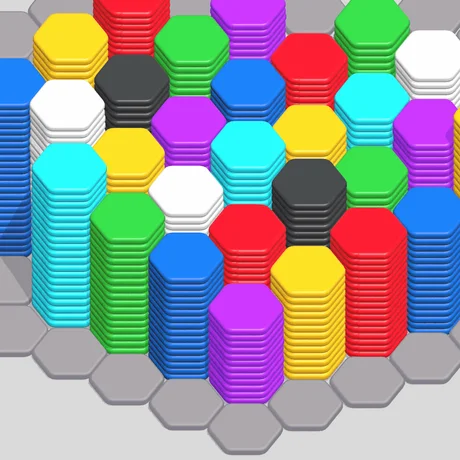 Hexagon Block Sort
Organize blocos coloridos em uma grade hexagonal.